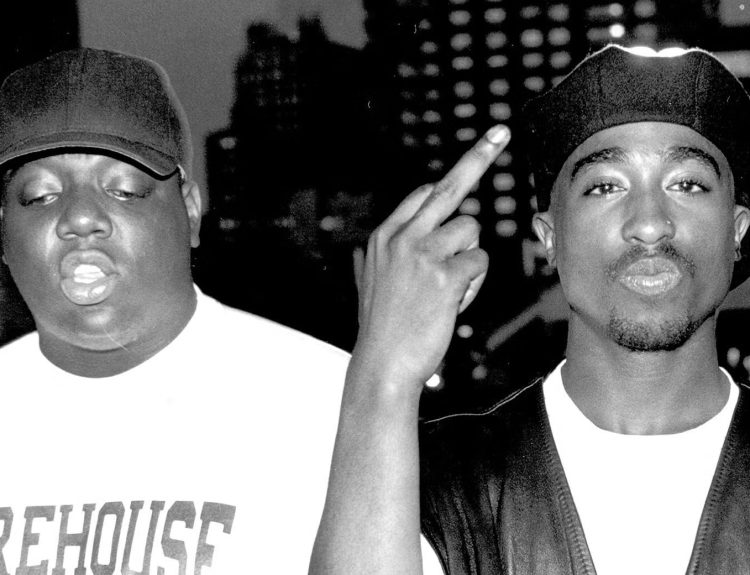
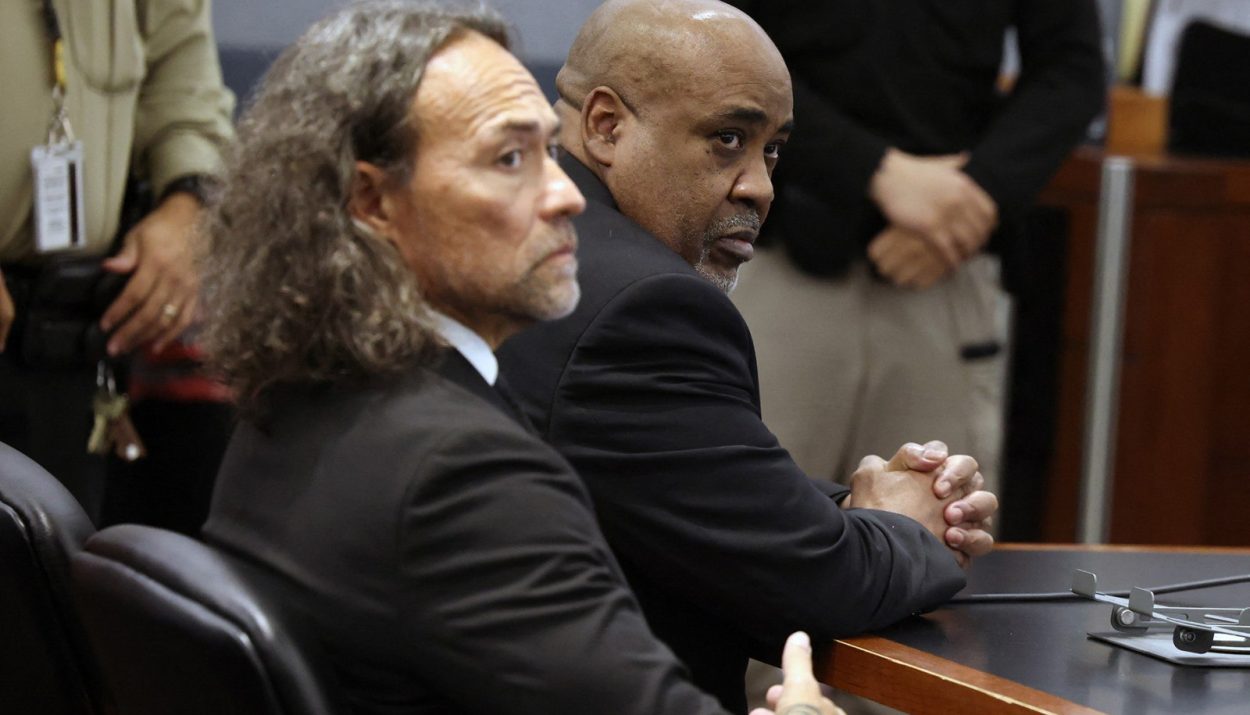
Nearly 30 years after Tupac Shakur was killed in Las Vegas, a jury convicted Duane “Keffe D” Davis of first-degree murder with use of a deadly weapon. The verdict closes one chapter of the case, but it does not answer every question surrounding the killing.
Davis was convicted Aug. 31 in Clark County District Court. He is scheduled to be sentenced Oct. 13 and faces the possibility of life in prison. His attorney, Michael Sanft, has said Davis intends to appeal.
Sanft told NBC News that the appeal is expected to challenge the admission of statements Davis made during a 2008 proffer interview connected to the investigation of the murder of The Notorious B.I.G. A proffer agreement generally allows a person to speak with prosecutors under specified conditions, although the exact use of statements depends on the agreement and the court’s rulings. Sanft argued that the statements were highly prejudicial.
Prosecutors, meanwhile, made Davis’ public statements a central part of their case. Those included claims in his 2019 memoir, Compton Street Legend, and later media appearances. The defense argued that Davis exaggerated his role for status and that the prosecution lacked physical evidence directly tying him to the shooting.
That tension is why the verdict can feel like hollow justice to people who expected a fuller accounting of what happened. Orlando Anderson, the man widely identified in public accounts as the suspected gunman, died in 1998. Shakur’s mother, Afeni Shakur, died in 2016. Much of the original case’s context now belongs to people who are no longer alive to testify or respond.
A conviction identifies criminal responsibility under the jury’s findings. It does not restore Shakur, explain every decision made that night, or resolve every disputed account that has circulated for decades.
It also does not mean every person connected to the shooting has been prosecuted. Davis was the only person charged in the case. The legal result therefore answers a narrower question than the one the public has been asking since Sept. 7, 1996: who was responsible for Shakur’s death, and what exactly happened before and after the shooting?
The appeal will create another legal test for the case. The case also sits within the longer history of the history of hip-hop before the internet, including the years when Shakur helped define the genre’s public image. The defense can challenge evidentiary rulings and other issues, while prosecutors will defend the conviction. Until those proceedings are resolved, the verdict is significant—but it is not the same thing as complete closure.
Related: What happened before the case reached court and The first time Fat Joe met Tupac.