The conviction of Duane “Keffe D” Davis in Tupac Shakur’s 1996 murder has renewed attention on the separate, unsolved killing of The Notorious B.I.G.
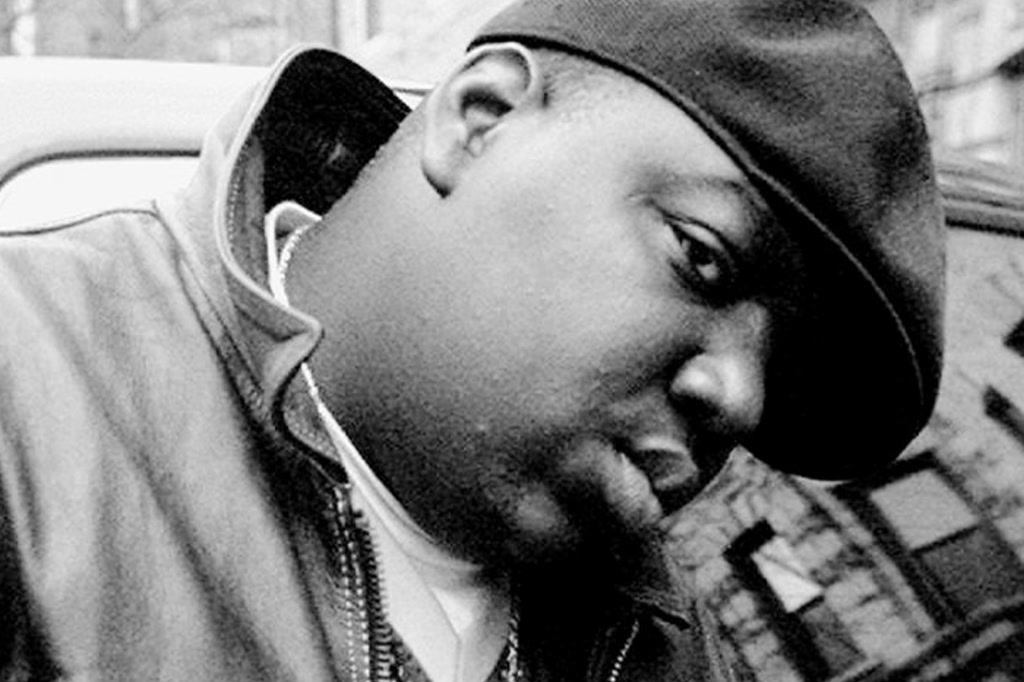
The cases are often linked in public discussion because Shakur and Christopher Wallace were central figures in the East Coast-West Coast rap rivalry. Legally, however, they are separate investigations. Davis’ conviction establishes the jury’s finding in the Shakur case; it does not identify who killed Wallace or resolve the evidence in that investigation.
The Tupac prosecution was able to build its case in part around Davis’ own statements, including remarks made in interviews and described in his memoir. The Biggie case has not produced a comparable criminal conviction. Wallace was killed in Los Angeles in March 1997, and no one has been prosecuted for his murder.
The difference illustrates why an old case can move forward while another remains stalled. A conviction requires a charge supported by admissible evidence and proof beyond a reasonable doubt. Public theories, investigative leads and similarities between cases do not meet that standard on their own.
The Shakur verdict may generate new attention or investigative pressure, but it does not provide a legal answer in Wallace’s case. Biggie’s murder remains unresolved unless prosecutors develop evidence capable of supporting a separate charge.