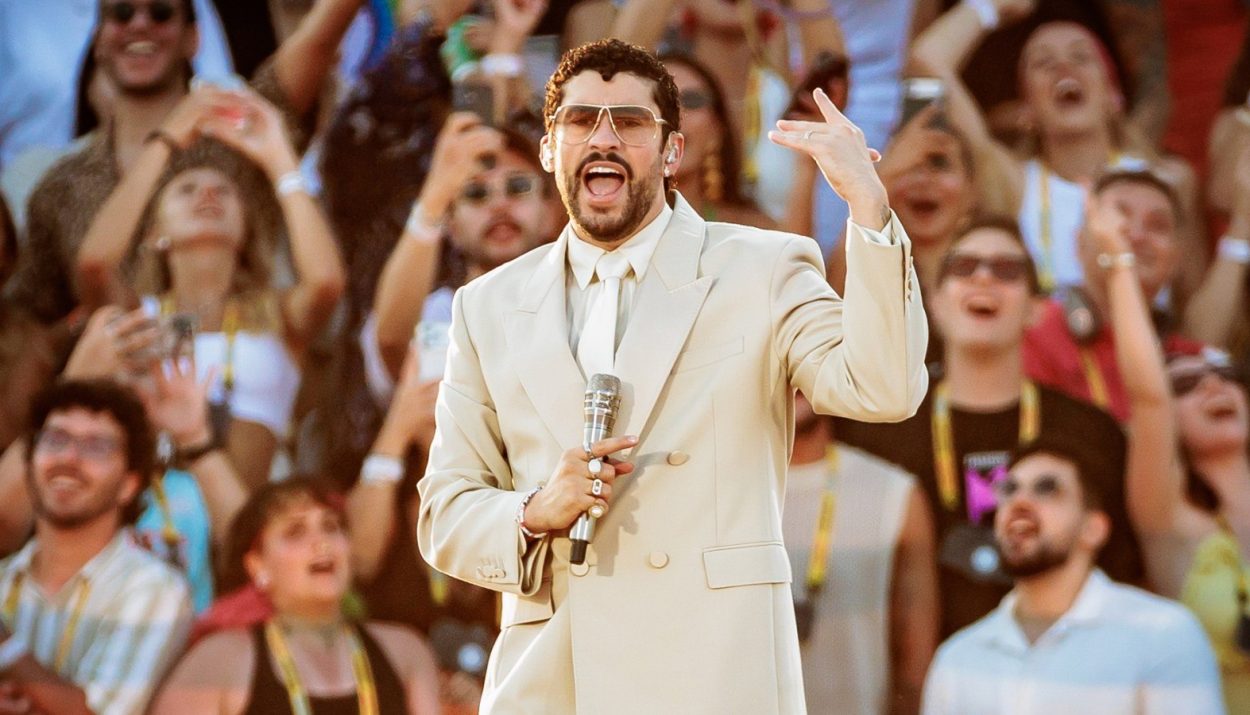
Bad Bunny has won a significant ruling in a copyright case involving reggaeton’s contested musical building blocks.
A federal judge reversed an earlier decision that could have sent claims involving roughly 1,800 songs to trial. The court ruled that the plaintiffs had not identified a copyrighted work containing the protectable musical selection and arrangement at issue in their claims.
The ruling does not mean that every dispute involving reggaeton recordings is legally identical, and it belongs to the same broader copyright conversation explored in copyright and musical appropriation. or that musicians and producers cannot protect original expression. It addresses whether the specific material identified by the plaintiffs qualified for the protection they claimed.
That distinction matters in a genre built through recurring rhythmic patterns, shared production techniques and musical conversations across generations. A court must separate common musical elements from original expression that copyright law can protect.
Bad Bunny’s name appears in the case because his recordings were among the songs affected by the broader claims. The ruling is therefore relevant beyond one artist: it may influence how future plaintiffs describe protected material in lawsuits involving reggaeton and other rhythm-driven genres.
The case also illustrates why copyright disputes can be difficult to reduce to a simple question of who used a beat first. Courts must examine the specific work, the alleged similarities and the limits of copyright protection.
The ruling is a victory for Bad Bunny and the other defendants, but it does not eliminate future copyright litigation in reggaeton. It clarifies what the plaintiffs in this case failed to establish.
Related: Bad Bunny’s “Amorfoda” and another recent music copyright dispute.