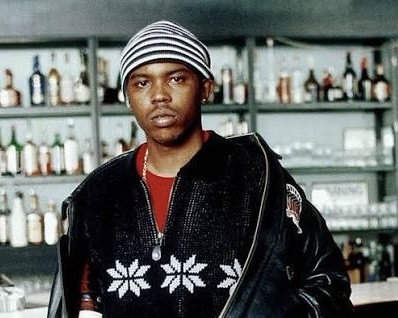
Oliver “Power” Grant, the executive producer and entrepreneur who helped build the business foundation of the Wu-Tang Clan, died February 23, 2026. He was 52.
Raised in Staten Island’s Park Hill Houses, Grant was part of the inner circle before the Clan became a recording force. A childhood friend of Divine, older brother of RZA, Grant invested early money into the group and later co-founded Wu-Tang Productions, serving as executive producer across its releases.
He often described the Clan less as a rap act and more as a system. “Everybody brought their own niche to the table,” Grant said in a past interview. “From one comes many, from many comes one.”
While RZA crafted the sound, Grant focused on structure — financing, strategy and expansion. His most visible extension of that philosophy arrived in 1995 with Wu-Wear, a clothing line launched before artist-branded streetwear became standard practice.
Starting with mail-order logo pieces, Wu-Wear grew into brick-and-mortar stores in Staten Island and Manhattan and later expanded nationwide. At its peak, the brand generated more than $25 million annually and secured placement in major department stores. After years of counterfeiting challenges, it rebranded as Wu-Tang Brand in 2008 and relaunched in 2017 in partnership with RZA and Live Nation Merchandise, with Grant serving as a creative consultant.
He viewed the apparel venture as part of a larger blueprint. “You got to piece things together,” he said. “Certain pieces fit with other pieces. It’s like a puzzle. You need those pieces to unlock the vault.”
In interviews, Grant frequently emphasized independence and self-definition, particularly when speaking to younger artists. “Do you. Be yourself,” he said. “You got to be the whole package these days. Get past the corner. If you can get past it, you can probably get out of it.”
News of his passing prompted tributes across the hip-hop community, including Method Man, who honored Grant’s long-standing role in the group’s extended family.
Grant’s influence was often behind the scenes, but his imprint is visible in the way hip-hop artists now approach ownership — from fashion to film to gaming. Wu-Tang’s expansion beyond music was not incidental; it was structural. And Grant was central to building that structure.